
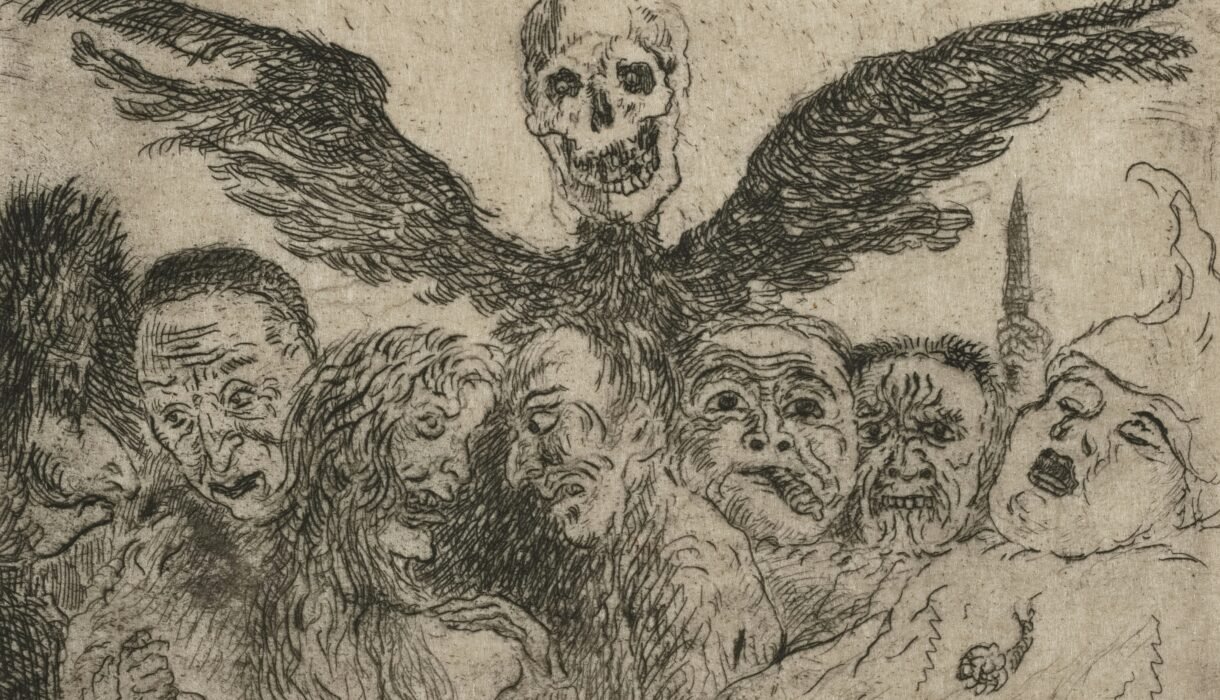
The Seven Deadly Sins and Your Body: How Ancient Wisdom Explains Modern Disease
Posted in :

For centuries, philosophers and theologians warned against the seven deadly sins: gluttony, lust, greed, sloth, wrath, envy, and pride. They were seen as moral failings, corrupting the soul and leading to ruin.
But look around today — these same “sins” are written all over our bodies. The swollen bellies of middle-aged men, the burned-out eyes of managers chasing money, the restless scrolling of envy-driven youth, the angry outbursts of stressed professionals. What was once a spiritual metaphor is now a medical reality.
Modern science has caught up with ancient wisdom. Each “sin” has a biological footprint, and each “virtue” that counters it has measurable health benefits.
1) Gluttony: Obesity and Disease
Gluttony isn’t just overeating; it’s unchecked consumption. Modern diets, which often include excessive sugar, fried foods, and processed snacks, overload our bodies with calories but starve us of essential nutrients.

- Medical outcomes: insulin resistance, obesity, fatty liver disease, and type 2 diabetes.
- The brain’s reward system is hijacked by junk food, creating addiction loops similar to drugs.
Virtue: Temperance. Intermittent fasting, mindful eating, and balanced nutrition can help restore insulin sensitivity, control weight, and potentially extend lifespan.
2) Lust: Dopamine Addiction and Dysfunction
Uncontrolled lust in the modern age often looks like compulsive porn use, serial hookups, or reckless indulgence.

- Medical outcome: dopamine desensitization, weaker sexual satisfaction, erectile dysfunction (especially in obese men with poor circulation), and emotional emptiness.
Virtue: Chastity. Not repression, but mindful sexuality; respecting one’s body and partner. Lifestyle measures, such as regular exercise, adequate sleep, and a balanced diet rich in whole foods, also help maintain healthy testosterone levels and a natural libido.
3) Greed: Chronic Stress and Burnout
The endless chase for more — more money, more possessions, more status.

- Medical outcome: elevated cortisol, hypertension, heart disease, insomnia, and depression. Stress can erode the immune system and impair brain function.
Virtue: Charity. Acts of giving and service reduce cortisol and increase oxytocin, boosting immunity and cardiovascular health. True wealth is measured in community and well-being, not digits on a paycheck.
4) Sloth: Sedentary Disease
Inactivity is the new smoking. Office chairs and couches are silent killers.

- Medical outcome: sarcopenia (muscle loss), osteoporosis, obesity, cardiovascular disease, and depression. The body at rest for too long begins to decay.
Virtue: Diligence. Movement is medicine. Regular exercise preserves muscle, strengthens bones, improves mood, and even sharpens memory through a process known as neuroplasticity.
5) Wrath: Inflammation and Heart Attacks
Chronic anger and hostility aren’t just personality traits; they’re cardiovascular risk factors.
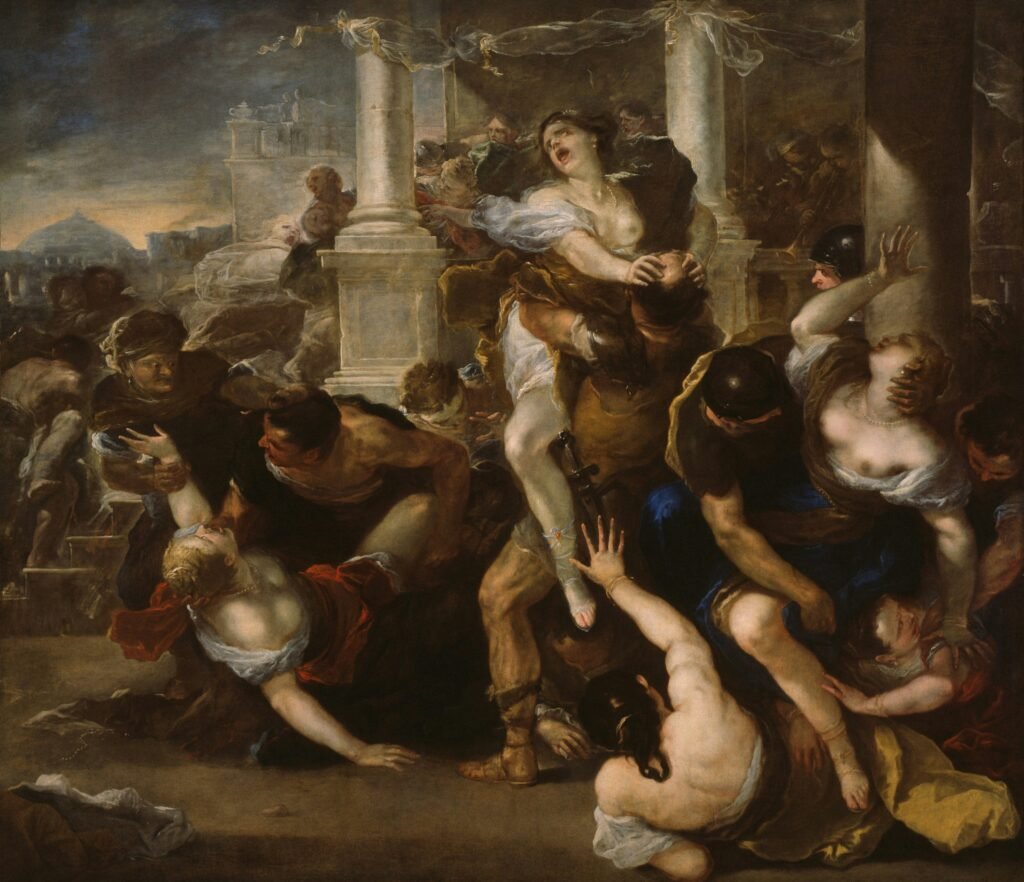
- Medical outcome: hypertension, systemic inflammation, increased risk of stroke and heart attack.
Virtue: Patience. Mindfulness, breathwork, and stress-management practices calm the nervous system, lowering blood pressure and protecting long-term heart health.
6) Envy: Mental Erosion
Constant comparison, fueled by social media and consumer culture, leaves people restless and unsatisfied.
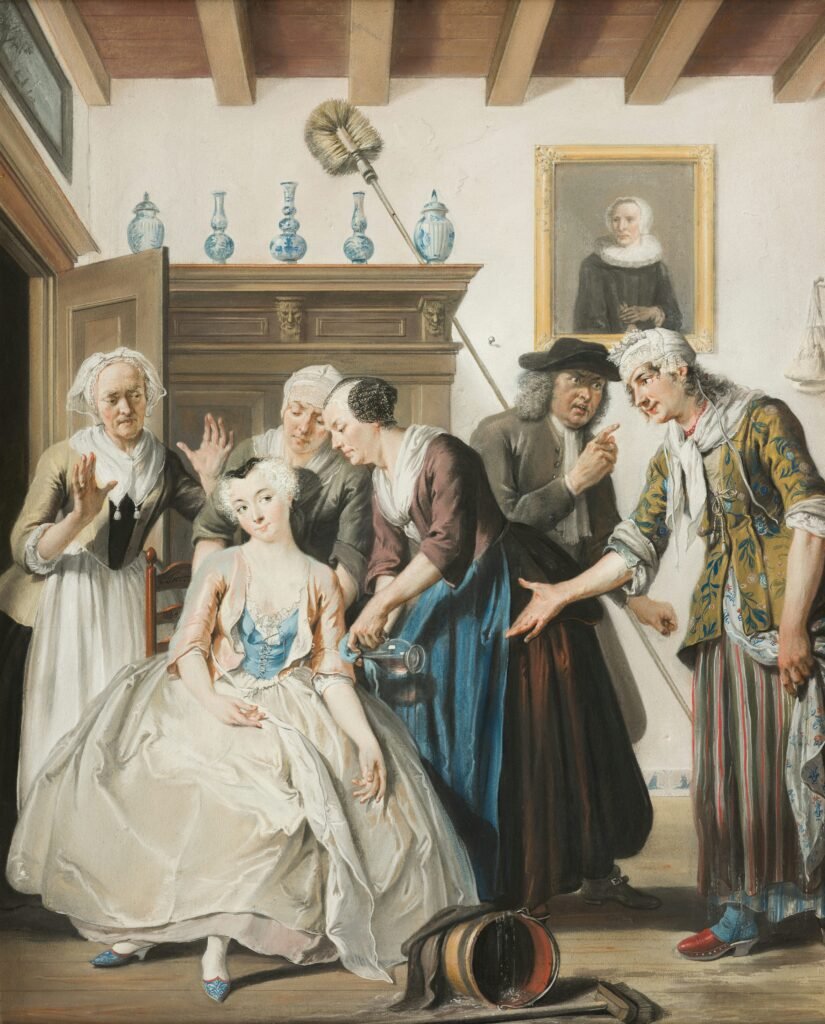
- Medical outcome: anxiety, depression, poor sleep, compromised immunity.
Virtue: Kindness. Gratitude, empathy, and compassion are powerful medicines. They rewire the brain toward contentment and strengthen social bonds, which are directly linked to longer, healthier lives.
7) Pride: Denial and Decline
Arrogance makes men ignore their expanding waistlines, their high blood pressure, and their alcohol dependence. They act invincible — until disease catches up.

- Medical outcome: late diagnosis, untreated conditions, and preventable deaths.
Virtue: Humility. A humble man admits when he is wrong, sees a doctor when needed, and accepts guidance. This openness extends life and allows growth.
Ancient Warnings, Modern Proof
The seven deadly sins were not just moral guidelines; they were survival codes. Our ancestors knew that indulgence, arrogance, and laziness led to ruin. Science now confirms it: each “sin” has a measurable toll on the body, while each “virtue” maps onto evidence-based practices for longevity and health.

We live in an age where it’s easy to disguise sins with wealth and status. The obese executive in an expensive suit may appear powerful, but his clogged arteries and insulin resistance tell another story. No luxury watch can mask a failing heart.
The Way Forward
Health, vitality, and authentic masculinity don’t come from consumerism. They come from discipline, movement, moderation, compassion, and humility — virtues that both ancient wisdom and modern medicine agree on.
The question isn’t just how long you want to live.
The real question is: Do you want to live strong, sharp, and free — or sick, bloated, and enslaved by cravings?
The choice between sins and virtues is not just spiritual. It’s biological. It’s life or death.

Dr. Hasnain Siraj Memon is a Doctor of Pharmacy (Pharm D), medical content creator, and the founder of DrRxWrites. With a strong foundation in clinical pharmacy and a creative eye for storytelling, he transforms complex medical and wellness topics into accessible, evidence-based content for both professionals and the general public.
His writing is guided by a passion for accuracy, empathy, and public education helping readers make informed decisions about their health, habits, and healing. Whether he’s explaining pharmacology or sharing life lessons from the hospital ward, Hasnain brings clarity and heart to every piece.
He’s currently building a library of wellness content while offering freelance writing services in medical blogging, drug reviews, SEO optimization, and patient education materials.
Dr. Hasnain Siraj Memon is a Doctor of Pharmacy (Pharm D), medical content creator, and the founder of DrRxWrites. With a strong foundation in clinical pharmacy and a creative eye for storytelling, he transforms complex medical and wellness topics into accessible, evidence-based content for both professionals and the general public.His writing is guided by a passion for accuracy, empathy, and public education helping readers make informed decisions about their health, habits, and healing. Whether he’s explaining pharmacology or sharing life lessons from the hospital ward, Hasnain brings clarity and heart to every piece. He’s currently building a library of wellness content while offering freelance writing services in medical blogging, drug reviews, SEO optimization, and patient education materials.
View All Articles

You really make it seem really easy with your presentation but I to find this topic to be actually one thing which I think I would never understand. It sort of feels too complicated and extremely huge for me. I’m having a look ahead on your subsequent put up, I will attempt to get the hang of it!
Its easy to understand once you break it down into components. I’m glad you liked it. What’s the one thing that feels too complicated for you? I’m certain i can explain.